Accountability and Absolution: The Colts' Defensive Failure and a Season on the Brink
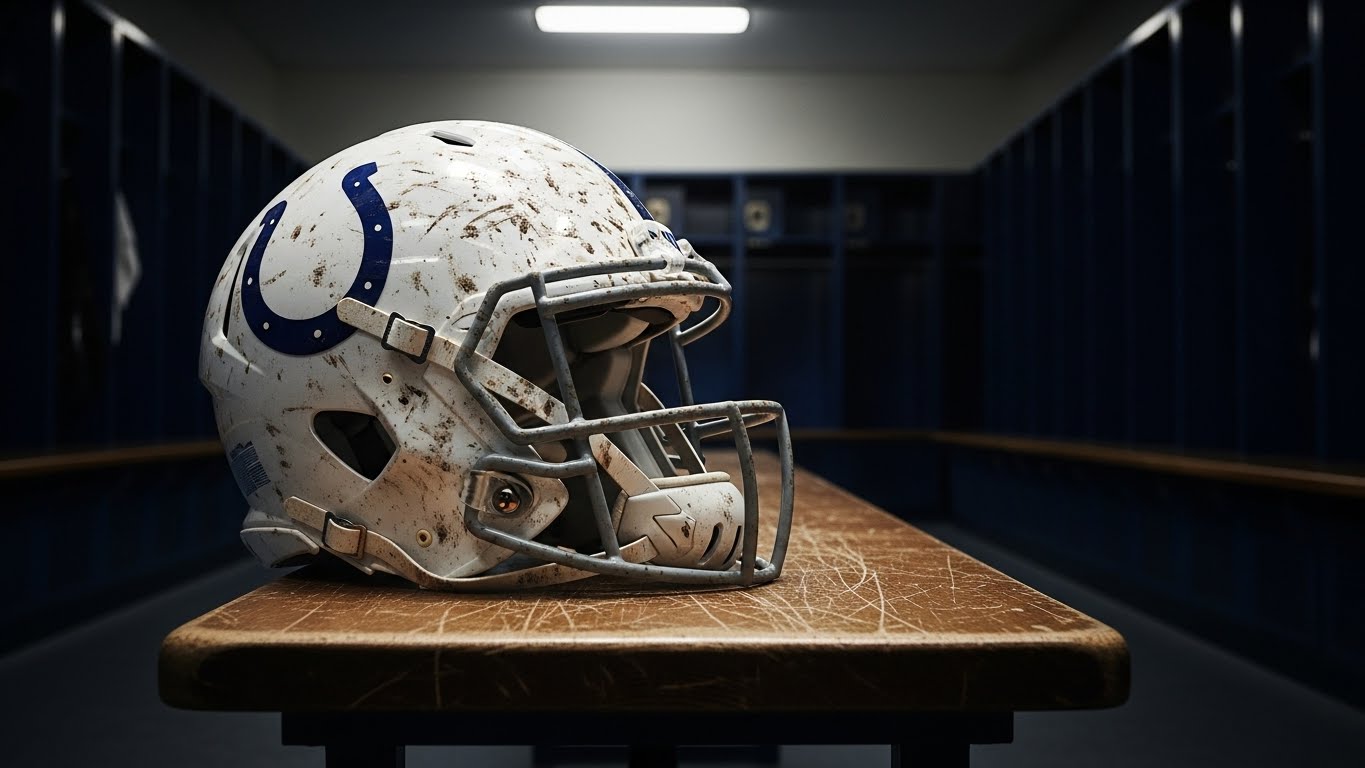
The locker room was quiet, the kind of silence that follows not a surprise, but a profound disappointment. Film would show the missed tackles, the blown coverages, the precise surgical strikes from the opposing quarterback. But in the immediate aftermath of a 41-27 dismantling by the San Francisco 49ers, the Indianapolis Colts’ defense didn't need the tape. They felt it. Five touchdowns. Four hundred and forty yards. A performance so starkly at odds with their recent identity that it felt like a betrayal of their own progress. In the wake of the collapse, players stood at their lockers and did not point fingers; they accepted blame. This public accountability, however noble, does not change the chilling new reality for Indianapolis: their season is no longer theirs to control.
The Blueprint of a Breakdown
To call the 49ers' offensive performance efficient would be an understatement. It was a masterclass in exploitation. Quarterback Brock Purdy, often labeled a system player, dissected the Colts with a clinical precision that exposed every crack in their scheme. The five touchdown passes were not flukes or Hail Marys; they were the result of consistent mismatches and defensive hesitation. The 440 total yards, averaging 6.7 per play, painted a picture of a unit that was always a step behind, constantly reacting instead of dictating. This was not about one player having a bad day. This was a systemic failure, where communication in the secondary broke down, the pass rush failed to generate meaningful pressure, and tackling fundamentals evaporated at the worst possible moments.
What makes this performance particularly damning is its place in a pattern. This marks the fourth game this season where the Colts' defense has surrendered at least 440 yards. It reveals an alarming volatility—a unit capable of flashes of dominance but prone to catastrophic lapses. Against lesser opponents, the offense has been able to mask these issues. Against a Super Bowl-caliber team like the 49ers, operating at peak rhythm, the flaws were not just exposed; they were the entire story of the game. The recent strong performances that built hope now look like the exception, with this collapse threatening to define the rule.
You can't have it both ways. You can't talk about being a tough, physical, playoff-ready defense and then come out and get sliced up like that. The tape doesn't lie. We didn't execute, we didn't communicate, and we got beat in every phase. There's no hiding from it.
The Calculus of Desperation
Head coach Shane Steichen's post-game message was blunt: improvement is urgent. The subtext, understood by everyone in the room, was that the margin for error has vanished. The mathematics of the AFC playoff race are now cold and unforgiving for Indianapolis. Their destiny is no longer a function of their own win-loss record alone. To keep their postseason hopes alive, they are now reliant on the Houston Texans losing to the Los Angeles Chargers. Their fate is tied to the performance of a division rival, a scenario that embodies the frustration of a missed opportunity.
This dependency creates a profound psychological test for the team. The upcoming Week 17 matchup against the Jacksonville Jaguars is now fraught with conflicting motivations. Do they play for pride, for the integrity of the game, and for the slim chance that the Texans cooperate? Or does the knowledge that their efforts may ultimately be rendered meaningless by a result in another city seep into their preparation and intensity? How Steichen manages this mindset keeping a team focused and hungry when its goals are no longer solely in its own hands will be his most critical coaching challenge of the season.
A Legacy Defined by Response
The immediate narrative is one of failure. The defensive players have rightly shouldered the blame. But history in the NFL is written not by isolated failures, but by the responses they provoke. This loss to the 49ers will be a defining marker for this Colts team. It can be the point where a promising season fractured completely, leading to an off-season of difficult questions and personnel changes. Alternatively, it can become a painful but necessary catalyst.
The true measure of this group's accountability will not be found in their post-game comments, but in their actions over the next six days. Will the defensive meeting rooms crackle with a new focus? Will the practice field see a revival of competitive fire? The Jacksonville Jaguars, themselves fighting for positioning, will offer no sympathy. The Colts' defense has one final, regular-season chance to author a different ending—to prove that the humiliation in San Francisco was an aberration they refused to accept, rather than the defining truth of who they are.
The Unforgiving Clock of an NFL Season
The collapse against the 49ers did more than just add a loss to the column. It shifted the Colts from protagonists in their own story to spectators in someone else's. The accountability they accepted in the quiet of their locker room is the first step, but it is the easiest one. The harder work is to channel that frustration into a performance so compelling that it forces the football world and perhaps the playoff legends to pay attention one more time.
Their season hangs by a thread, dependent on a favor from a conference rival. Yet, within that precarious reality lies a pure, almost archaic, sporting challenge: play the game in front of you with honor and force, and let the chips fall where they may. For the Indianapolis Colts' defense, absolution is no longer available in the standings. It can only be earned, one tackle, one stop, one play at a time, against the Jaguars. The result may or may not save their season, but it will irrevocably define their character.
