For decades, the lexicon of luxury was strikingly simple. It was broadcast through monograms, recognizable silhouettes, and premium price tags. Value was extrinsic, a social signal easily decoded by anyone on the street. But a palpable shift is underway. The modern connoisseur is speaking a more nuanced dialect. Today, the most compelling luxury items whisper rather than shout, trading blatant status for rich narrative, visible logos for invisible craftsmanship. This isn't merely a trend; it's a fundamental reevaluation of value, driven by psychology, economics, and a collective search for meaning.
We are moving from an economy of ownership to an economy of meaning. The new luxury isn't about what you have, but the story you know—and tell.
The Psychology of Post-Materialist Value
This shift is rooted in a well-documented psychological transition, particularly among younger, high-net-worth demographics. Research, such as that published in the Journal of Consumer Psychology, consistently shows that experiential purchases—trips, learning a skill, attending a performance—generate more lasting happiness than material ones. Luxury is adapting. A handbag is no longer just an object; it's framed as an experience—the story of the artisan who stitched it, the sustainable tannery that sourced the leather, the specific occasion it commemorates.
A 2022 study from the Harvard Business Review on "The Future of Luxury" identified "craftsmanship" and "provenance" as the two fastest-growing value drivers, far outpacing "brand recognition" alone. Why? Because they offer what psychologists call "emotional granularity." A logo sparks a single, broad association (wealth, brand X). A detailed narrative of Japanese denim loomed on vintage machines, or a watch movement assembled by a single watchmaker, engages multiple cognitive and emotional pathways—appreciation for skill, connection to history, a sense of authenticity. This layered engagement makes the object feel more personally significant and less replicable.
The Rejection of Conspicuous Consumption
Thorstein Veblen's theory of "conspicuous consumption" defined 20th-century luxury: spending to publicly display economic power. The 21st-century iteration might be termed "inconspicuous consumption" or "the patronage economy." The value signal is now directed inward, to a smaller, more knowledgeable in-group. It's about code, not broadcast.
You see this in the rise of the "quiet luxury" aesthetic—unbranded, impeccable cashmere, perfectly cut trousers—and in the boom of independent watchmakers whose names are known only to enthusiasts. The luxury is in the knowing. The consumer derives status not from being seen with a thing, but from being the kind of person who understands *why* this particular thing is exceptional. This creates a powerful, self-reinforcing community of taste that is inherently exclusionary, not by price alone, but by knowledge.
Craftsmanship as Tangible Narrative
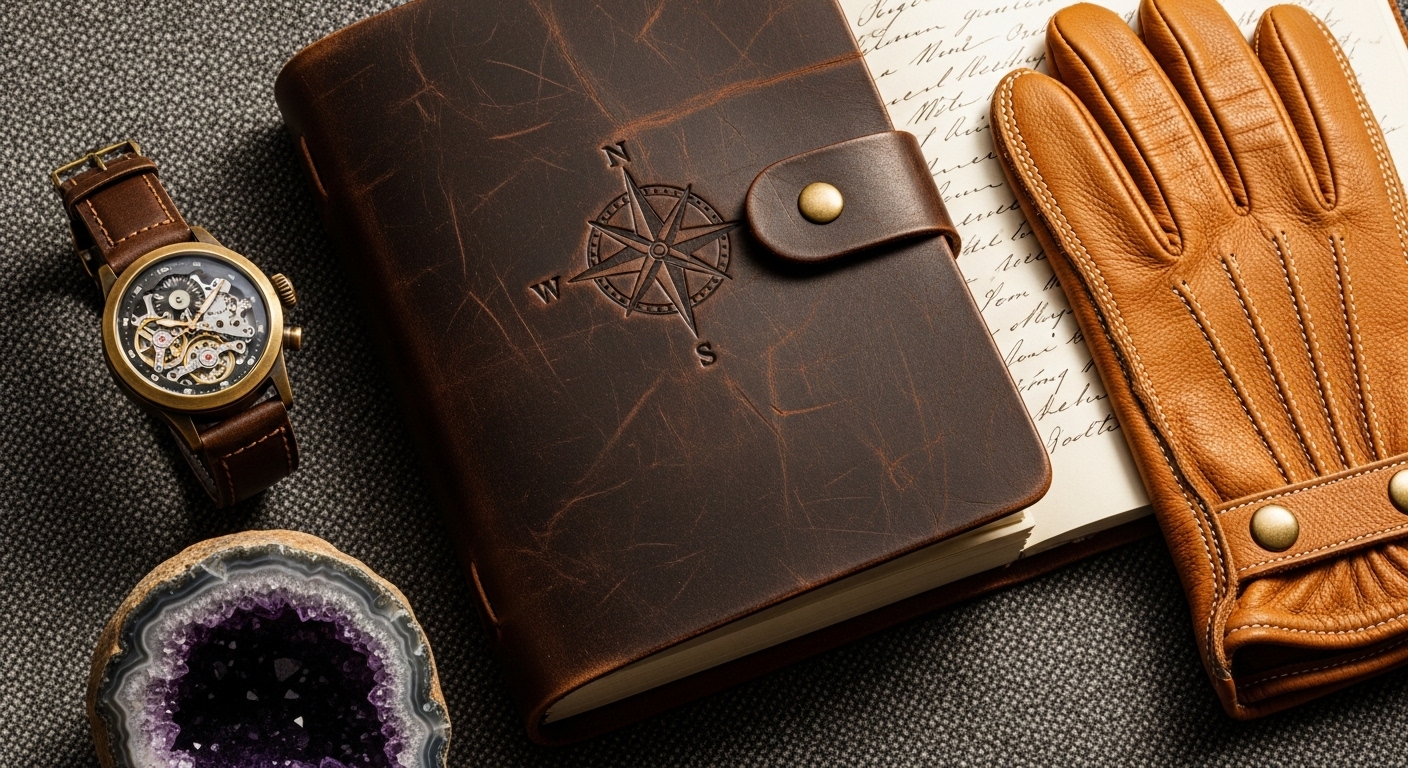
This is where the object itself becomes its own story. The narrative is embedded in the materiality. Consider the difference between a polished stainless steel watch case and one forged from "proprietary bronze alloy that develops a unique patina." One is a finish; the other is a promise of a personalized journey. A mass-produced silk scarf communicates "silk." A hand-rolled, hand-printed scarf from a specific Italian atelier communicates centuries of textile tradition.
This focus on craft serves as a psychological bulwark against the digital and the disposable. In a world of infinite digital copies and fast fashion, an object that declares its human labor, its time-intensive creation, and its natural aging process feels profoundly real and authentic. Neuroscientific research, including work cited in Neuron, suggests that tactile engagement with high-quality, natural materials can activate reward centers in the brain associated with authenticity and connection. We don't just see the story; we feel it.
The New Retail Ritual: Curating the Chapter
This evolution reshapes the entire commercial relationship. The transaction is no longer the end point; it's the beginning of a chapter the consumer will author. Savvy brands are transforming from manufacturers into curators and archivists. They provide the "source material": the details of the design inspiration, the biography of the craftsperson, the origin of the materials.
The most forward-thinking offer repair services that add to the patina, or platforms for owners to share how their item has aged. The product becomes a vessel for the owner's own experiences—the watch worn on a milestone trip, the bag that carried important documents, the boots broken in on countless walks. Its value appreciates not monetarily, but narratively, becoming an archive of a personal life well-lived.
Implications for the Discerning Consumer
For the educated buyer, this presents a new framework for evaluation. The questions have changed.
Instead of "What brand is this?" one might ask, "What is its origin story?" Instead of "Is this the current trend?" consider "Is this made in a way that will last and evolve?" The assessment moves from the external (How will this look to others?) to the internal (What does this mean to me? What do I support by owning this?).
It demands a more active form of consumption. It requires curiosity, research, and a confidence in one's own taste over the consensus of the crowd. The reward is a wardrobe or collection that feels less like an assembly of products and more like a curated personal museum, each piece a dense node of meaning, craftsmanship, and memory. In the end, the new language of luxury isn't spoken with logos. It's written, slowly and intentionally, with the choices we make and the stories we choose to wear.
