Netflix is raising prices for U.S. subscribers for the second time in just over a year, with increases taking effect immediately for new members and rolling out to existing customers over the coming weeks. The move signals the streaming giant's confidence in its pricing power despite growing competition and consumer frustration over rising subscription costs.
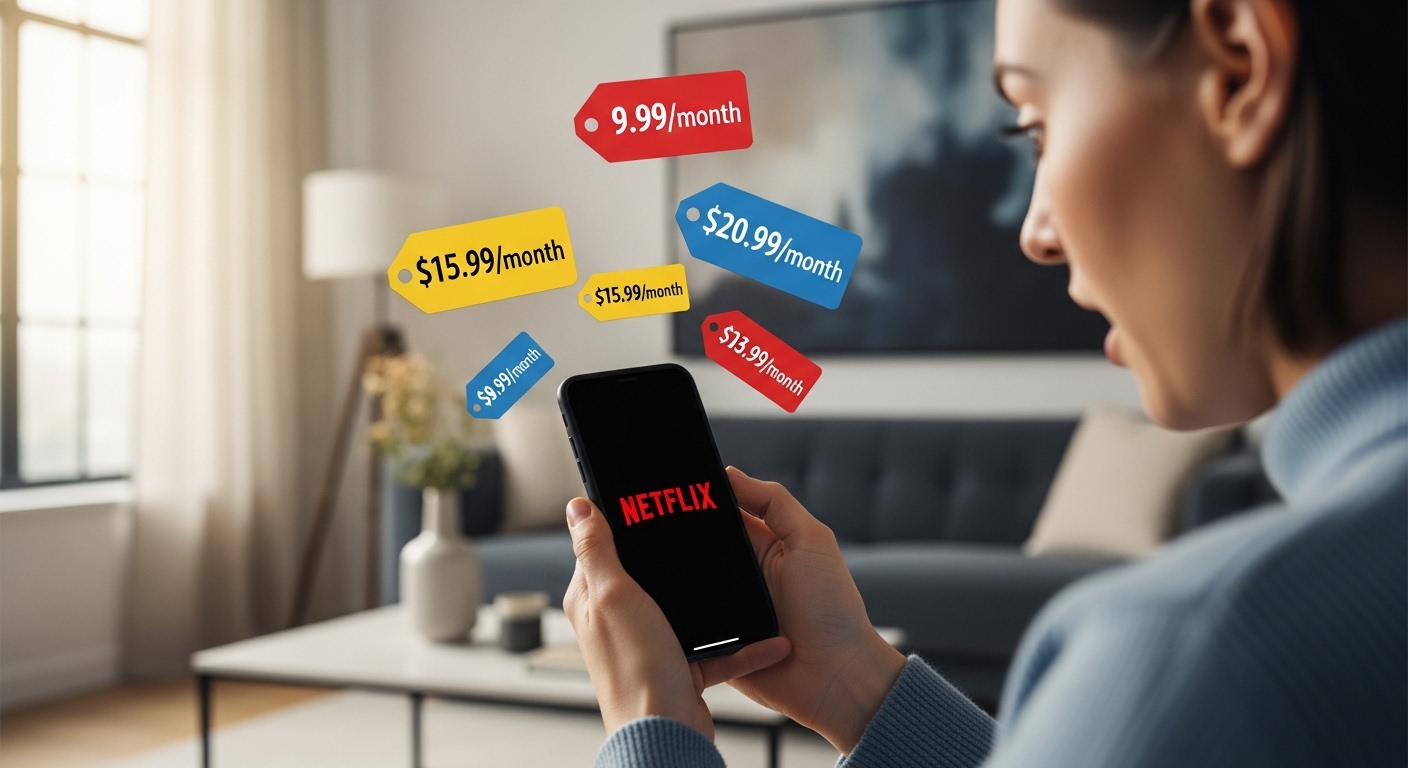
The new pricing structure, updated on Netflix's website Thursday, affects all three U.S. plans:
- Standard With Ads: $8.99/month (up from $7.99)
- Standard (no ads, 2 devices): $19.99/month (up from $17.99)
- Premium (no ads, 4 devices, Ultra HD): $26.99/month (up from $24.99)
The increases represent an average of 11% across the product suite. The Standard plan, historically Netflix's most popular tier, saw a $2 jump—the same increase applied to the Premium tier. The ad-supported plan increased by $1.
"As we deliver more value to our members we are updating our prices to enable us to reinvest in quality entertainment." — Netflix statement
Why Now? The Timing Behind the Hike
Netflix's price increase comes just 14 months after its previous hike in early 2025, which itself was the first increase to the Standard tier in three years. The accelerated timeline suggests the company sees room to raise prices more frequently than in the past.
The move follows a significant financial windfall for Netflix. In February, the company walked away from a deal to acquire Warner Bros.'s studios and streaming business after Paramount made a superior offer. As a result, Netflix collected a $2.8 billion breakup fee—money it now has available for content investment and other priorities.
"Now we move forward, and we move forward with $2.8 billion in our pocket that we didn't have a few weeks ago," Netflix CFO Spence Neumann said at an investor conference earlier this month.
The company has projected full-year 2026 revenue between $50.7 billion and $51.7 billion, representing 12-14% growth year over year. Netflix also expects its operating margin to reach 31.5% in 2026, up from 29.5% in 2025. Content spending is projected at about $20 billion for the year, a 10% increase from last year.
Netflix's Bet on Pricing Power
With more than 325 million global subscribers at the end of 2025, Netflix remains the world's largest subscription streaming service by a significant margin. The company's willingness to raise prices reflects confidence that most customers will absorb the increase rather than cancel.
Industry analysts at TD Cowen estimate the new pricing will boost Netflix's average revenue per subscriber in the U.S. and Canada region by 6% year over year in 2026. While some subscriber churn is expected, Netflix has calculated that increased revenue per subscriber will more than offset any cancellations.
This strategy mirrors Netflix's historical approach: periodic price increases that test consumer tolerance, followed by subscriber growth that suggests the market accepts the higher costs. The company has consistently argued that its investment in original content justifies premium pricing compared to competitors.
How Subscribers Are Reacting
News of the price hike generated immediate backlash across social media and in comment sections, with many subscribers expressing frustration over what they view as unchecked price increases.
"Endless greed," one commenter wrote on Variety's coverage. Another said, "Shame on you. That amount of raw greed is just disgusting. Canceling my subscription."
Several subscribers noted they had already reduced their plans or were reconsidering their subscriptions entirely. "I had already dropped down to the standard from premium after Stranger Things ended because they haven't had a good original show that they haven't cancelled prematurely without at least ending properly in forever," one user wrote.
Others pointed to Netflix's recent content strategy as a factor in their frustration. "They are leaning too heavy into cheap trash reality stuff plus live sports stuff (esp when it's a rigged boxing match anyway)," one commenter wrote. "I cut ties with cable years ago because I was sick of paying high prices every month just to be getting both of those when I don't care about them."
However, some subscribers defended the increase, noting Netflix's continued content output. "Netflix still releases more content than any other streaming service, including over 100 movies last year," one user pointed out. "Every movie is not for every person, but there's certainly a variety to choose from. And the TV shows! Wow!"
Historical Context: Netflix's Pricing Timeline
Netflix's pricing strategy has evolved significantly since the company launched its streaming service in 2007. The Standard plan, which started at $7.99 in 2011, has more than doubled over the past 15 years with periodic increases.
The current increase comes after a relatively stable period. Netflix last raised U.S. prices in early 2025, marking the first increase to the Standard tier in three years. Before that, the company had gone from 2019 to 2022 without raising Standard plan pricing.
Historically, Netflix has raised prices about every 18 months. This increase comes at 14 months, suggesting the company may be accelerating its cadence. If the pattern holds, subscribers could expect another increase in summer 2027.
The ad-supported tier, introduced in late 2022, has become an important part of Netflix's pricing strategy. At $8.99, it remains significantly cheaper than the ad-free Standard plan, giving price-sensitive customers a lower-cost option while still generating advertising revenue for Netflix.
What the Price Increase Means for Subscribers
For existing subscribers, the new prices will roll out over the coming weeks. Netflix says affected members will receive email notification one month before the new prices apply to their accounts, with timing depending on individual billing cycles.
New members signing up as of March 26 see the new prices immediately. The company has not announced any grandfathering for existing members beyond the one-month notification period.
Subscribers considering their options have several alternatives:
- Downgrade to ad-supported tier: At $8.99, this remains significantly cheaper than the Standard plan, though viewers must watch commercials.
- Share accounts with family: Netflix's paid sharing program allows adding extra members for a fee, potentially reducing per-person costs for households with multiple viewers.
- Rotate streaming services: Some subscribers cycle through services, subscribing to Netflix for a few months each year to binge content before canceling.
- Cancel entirely: Competitors including Max, Disney+, Amazon Prime Video, and Apple TV+ offer alternative content libraries, often at lower price points.
The Bigger Picture: Streaming Economics
Netflix's price increase reflects broader trends in the streaming industry. After years of prioritizing subscriber growth over profitability, most major streaming services have shifted focus toward financial sustainability. This has meant raising prices, introducing ad-supported tiers, and cracking down on password sharing across the industry.
Disney+, Hulu, Max, Peacock, and Paramount+ have all raised prices in the past two years, often multiple times. The era of cheap, ad-free streaming appears to be ending as companies seek to make their streaming divisions profitable.
For Netflix, which has been profitable for years, the strategy is about maximizing revenue from its dominant market position. With over 325 million subscribers globally, even small price increases translate to billions in additional annual revenue.
The company has also diversified its offerings beyond traditional TV shows and movies, adding gaming, live sports, and other content types. These investments require funding, and subscriber fees remain the primary revenue source despite growing advertising income.
What's Next for Netflix Pricing
Netflix executives have signaled that price increases will likely continue as part of the company's long-term strategy. During the company's fourth-quarter 2025 earnings interview, CFO Spence Neumann listed "pricing" among key revenue drivers for 2026, along with membership growth and advertising revenue.
Analysts expect Netflix to continue testing consumer tolerance for higher prices, particularly for its premium tier. The company may also introduce new pricing structures or tiers in the future, potentially including different combinations of features, ad loads, and device limits.
For now, subscribers face a familiar choice: accept the higher prices, switch to the ad-supported plan, share accounts, or cancel. With each price increase, Netflix bets that enough customers will choose to stay, funding the content that keeps them coming back.
The coming months will show whether this bet pays off. Subscriber numbers for the second quarter of 2026 will be closely watched as the first indicator of how the market responds to the new pricing structure.