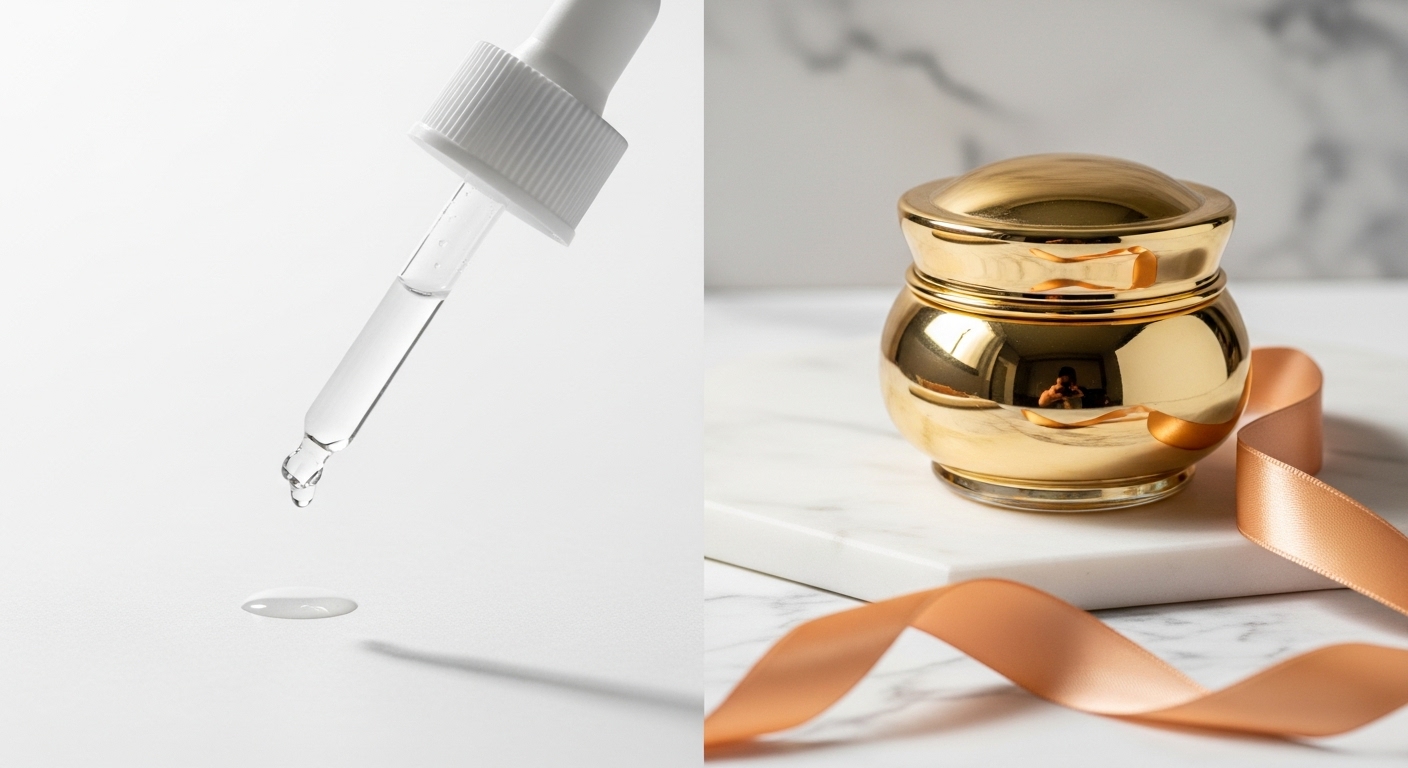
The allure of luxury skincare is a potent alchemy. It promises not just improvement, but transformation, sealed in heavy glass and suffused with exquisite fragrances. The price tag itself becomes part of the ritual, a down payment on hope. But for the discerning consumer, a critical question persists: beyond the symphony of sensory pleasure, does the premium serum actually perform better than its pragmatic counterpart? The answer lies not in a simple yes or no, but in a nuanced understanding of biochemistry, dermatology, and the powerful, often overlooked, theater of the mind.
In the high-stakes world of skincare, the most active ingredient is sometimes the belief system it's sold with.
The Science of Skin: Where Price and Efficacy Diverge
Let's begin with the bedrock: proven active ingredients. Dermatological science has identified molecules with robust, peer-reviewed evidence for addressing specific concerns. Retinoids for collagen stimulation and cell turnover. Vitamin C (L-ascorbic acid) for antioxidant protection. Niacinamide for barrier support and hyperpigmentation. The efficacy of these ingredients is not a matter of luxury; it's a matter of chemistry, concentration, formulation stability, and penetration.
Here, the luxury narrative often stumbles. A landmark 2011 study published in the Archives of Dermatology (now JAMA Dermatology) analyzed the cost versus efficacy of over-the-counter moisturizers. It found "no clear relationship" between price and objective measures of moisturizing efficacy (humectancy, occlusivity). In many cases, expensive creams were outperformed by basic pharmacy staples. The takeaway is pivotal: the foundational function of a product is often achieved at a modest price point. The premium, then, must be justified elsewhere.
The Powerful Theatre: Placebo, Expectancy, and the Hedonic Experience
This is where luxury skincare excels, and its effect is neurologically real. The "placebo effect" is not imaginary; it's a measurable neurobiological response. When we believe a treatment will work, our brains can release endorphins and other neurotransmitters that modulate perception and even create mild physiological changes. A 2014 review in the Journal of Cosmetic Dermatology explicitly discussed the significant role of placebo effects in cosmetic trials, noting that packaging, brand name, and price can dramatically influence perceived outcomes.
Luxury brands master this "hedonic" experience. The weight of the jar, the specific scent (often linked to calm or luxury), the texture that transforms upon application—these are meticulously engineered. They create a powerful ritual that enhances compliance (you're more likely to use a product you enjoy) and primes the brain for a positive result. This isn't deception; it's smart, human-centric design that leverages psychodermatology—the proven link between mental state and skin health. Stress exacerbates conditions like acne and eczema; a calming ritual can have a genuine, indirect benefit.
Decoding the Premium: Where Does the Money Go?
So, if core actives aren't the sole driver of cost, what is? The educated consumer should audit the premium across several line items:
1. Proprietary Blends & Story Ingredients: Luxury is built on exclusivity. This often means rare botanicals, exotic extracts, or patented complexes with beautiful names. The critical question is: is there independent, published research on this specific blend at the concentration used? Often, the data is proprietary (and sometimes compelling), but the onus is on the brand to provide more than a compelling origin story.
2. Formulation Elegance & Delivery Systems: This is a legitimate area of advancement. Stabilizing volatile Vitamin C, encapsulating retinol to reduce irritation, and creating technologies that enhance penetration (like liposomes) require serious R&D. A premium may buy you a more elegant, stable, and tolerable version of a potent active.
3. The Sensory & Packaging Tax: The unboxing, the fragrance designed by a master perfumer, the custom-molded glass—this is the tangible part of the brand dream. You are paying for the emotional lift, the daily moment of pleasure. For many consumers, this is a valid and valuable part of the skincare experience, contributing to overall well-being.
A Framework for the Educated Consumer
Navigating this landscape requires a new evaluation framework, moving from blind faith to informed analysis.
1. Anchor in Actives: Identify your primary skin goal and seek out the gold-standard, evidence-backed ingredient for it. Let this be your non-negotiable.
2. Read Backwards: Look at the ingredient list (INCI). Are the proven actives high on the list (indicating higher concentration), or are they dwarfed by fillers and the "story" extract? The first five ingredients typically make up the bulk of the formulation.
3. Separate Experience from Expectation: Be honest with yourself. Are you buying this for the biochemical promise, or for the luxurious ritual? Both are valid, but understanding your own motivation prevents disillusionment.
4. Patch Test the Price: For every high-end product, research if there is a "pharmacy alternative" with the same core active at a comparable concentration. You may find the clinical workhorse and decide to invest your premium elsewhere in the routine—or in the sheer joy of the luxury item itself.
The Verdict: Efficacy is Multi-Dimensional
Does luxury skincare work? The answer is complex. As a pure delivery system for molecular actives, the law of diminishing returns applies quickly. The jump from a $20 to a $100 retinol may be significant (in stability, formulation); the jump from $100 to $500 is often marginal in clinical outcome but exponential in experience.
Ultimately, the "work" of skincare is multi-dimensional. It works biologically through its ingredients. It works psychologically through the placebo and ritual. And it works emotionally through the daily act of self-care that feels special and deliberate. For the sophisticated consumer, the most effective regimen is one that strategically combines evidence-based clinical actives with the sensory and emotional benefits they personally value—understanding precisely what they are paying for at every step. True skincare intelligence isn't rejecting luxury; it's seeing clearly through its beautiful facade.