
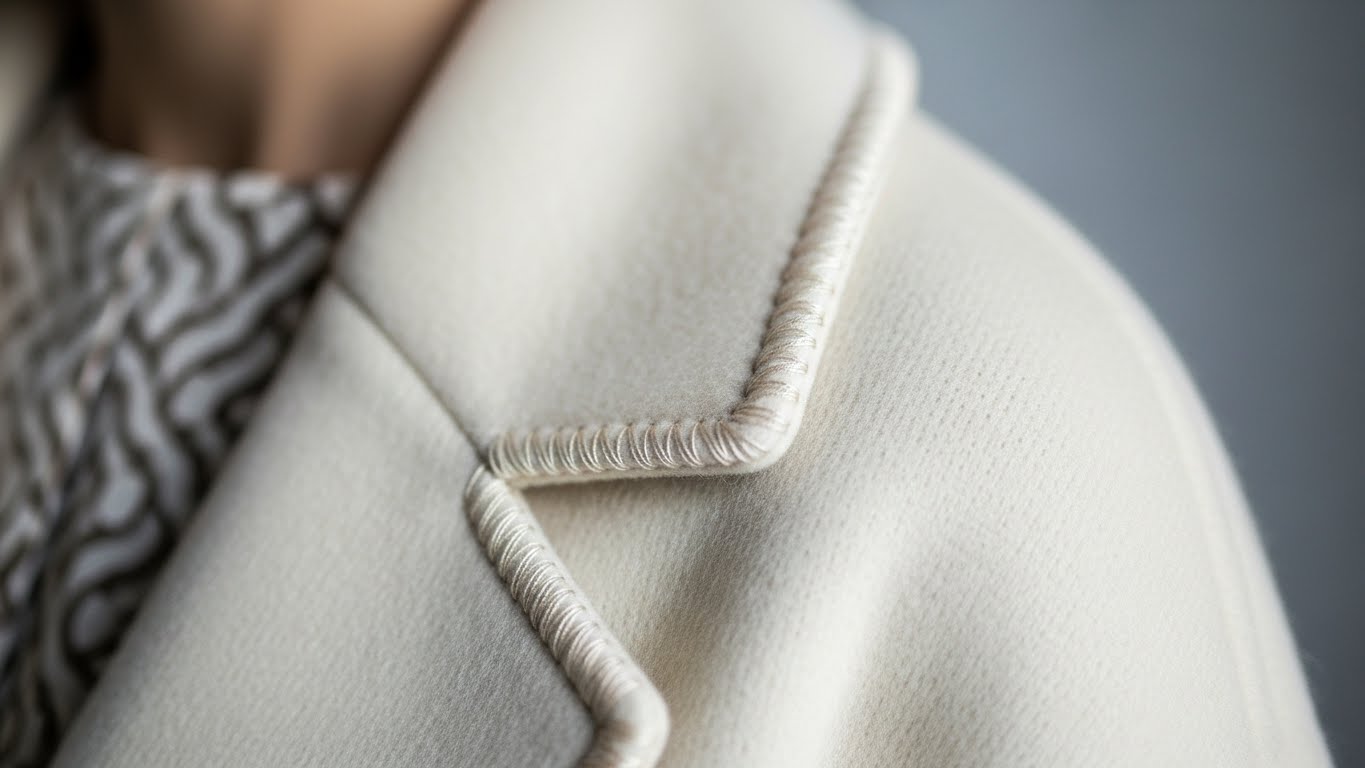
This shift marks a move away from the vocabulary of fast fashion, which speaks in the loud, declarative language of logos and instantly recognizable prints. That language is about conspicuous consumption, a broadcast of brand affiliation and timely purchase. Quiet luxury, in stark contrast, speaks in a subtle, tactile dialect. Its grammar is found in the weight of a fabric, the precision of a seam, and the way a garment molds to the body over time. It communicates through experience rather than emblem. The value is internalized, known to the wearer through the feel of superfine wool against the skin or the confident drape of a perfectly cut jacket. This is consumption that whispers, prioritizing personal satisfaction and a deep appreciation for the object itself over its ability to signal status to a passing glance.
The Pillars of Permanence: Fabric, Cut, and Craft
The philosophy of permanence stands on three fundamental pillars, each a deliberate rejection of transient, low-quality production. The first and most immediate is the cult of fabric. Quiet luxury prioritizes natural, noble materials—cashmere, silk, linen, extra-fine merino wool, and high-grade cotton. These are not chosen solely for their aesthetic but for their performance and longevity. They develop a patina, soften with age, and possess a breathable, comfortable quality that synthetics cannot replicate. The investment is in a material that will evolve with the wearer, becoming more personal over the years.
The second pillar is cut and silhouette. This is where true design intelligence resides. A garment born from this philosophy is often minimally seamed, avoiding unnecessary details that can date it. The focus is on a silhouette that flatters the human form in a fundamental, non-exaggerated way. Think of a blazer that follows the curve of the back without constriction, or trousers that hang from the waist with a clean, unbroken line. This kind of cut requires superior pattern-making and a deep understanding of anatomy, resulting in a piece that feels like a second skin rather than a costume. It is anti-trend by nature, seeking a timeless elegance that transcends seasonal whims.
Finally, the third pillar is craftsmanship. This is the silent, often invisible quality that guarantees longevity. It is the lock-stitched seam that allows for alteration, the perfectly matched pattern at the placket, the hand-finished hem, and the reinforced buttonhole. This level of construction ensures the garment can withstand years of wear and care, transforming it from a purchase into a possession. It embodies the slow fashion principle, where the time and skill embedded in the object justify its cost and promise its future.
Cultivating a Personal Aesthetic of Value
Embracing this shift is not about adhering to a strict uniform of beige and white. It is about adopting a mindful filter for consumption. It asks the fundamental question: "Will this hold value for me?" Value here is multifaceted—emotional, aesthetic, and functional. It encourages building a wardrobe with intentionality, where each new piece is considered for its material integrity, its versatility within your existing closet, and its potential to last for a decade, not a season. It champions repair, alteration, and care, seeing these acts not as burdens but as celebrations of the item's continued life.
The rise of quiet luxury signals a maturation of taste. It is a move away from fashion as external performance and toward dress as a personal, curated practice of quality. It chooses the whisper of exquisite Mongolian cashmere over the shout of a branded print, finding confidence in what is known and felt rather than what is seen and recognized. In a world of noise and excess, it offers a sanctuary of substance. This is not a trend passing through; it is a deepening, a return to the core principles that make clothing not just a covering, but a lasting, meaningful part of our lives.
Discussion