
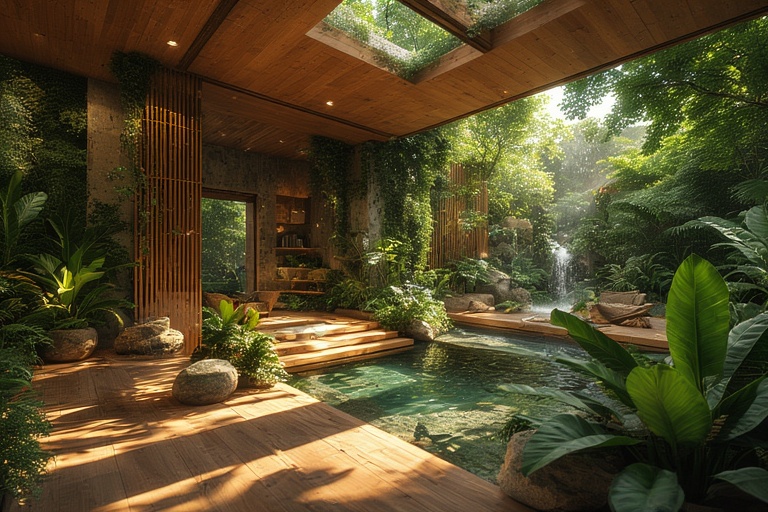
The Human-Nature Connection in Modern Design
In an increasingly urbanized world, biophilic design has emerged as a powerful movement that reconnects people with nature through intentional design choices. This approach goes beyond simply adding plants to a room—it's about creating spaces that satisfy our deep, biological need to connect with natural environments.
Conscious Capitalism: How Purpose-Driven Companies
The term "biophilia," meaning "love of life," describes humanity's innate attraction to nature and natural processes. Biophilic design applies this understanding to create environments that reduce stress, enhance creativity, and improve overall wellbeing by incorporating natural elements, patterns, and processes into built spaces.
"Biophilic design isn't a trend—it's a return to what humans fundamentally need. We've spent 99% of our evolutionary history in natural environments, and our bodies and minds still crave that connection, even in modern urban settings."
The Science Behind Biophilic Design
Research across multiple disciplines has demonstrated the profound impact that nature-connected environments have on human health and performance.
Evidence-Based Benefits
- Stress Reduction: 15-20% decrease in cortisol levels in nature-connected spaces
- Improved Cognition: Better focus and problem-solving abilities
- Enhanced Creativity: Increased innovative thinking and idea generation
- Faster Recovery: Reduced hospital stay times with nature views
- Better Air Quality: Natural air purification through plants
Core Principles of Biophilic Design
Successful biophilic design incorporates multiple dimensions that work together to create truly nature-connected spaces.
Direct Nature Experiences
- Natural Light: Maximizing daylight and seasonal light patterns
- Living Plants: Incorporating diverse plant species throughout spaces
- Water Features: Adding moving water elements for visual and auditory interest
- Fresh Air: Ensuring good ventilation and access to outdoor air
- Natural Materials: Using wood, stone, and other natural substances
Indirect Nature Connections
- Natural Colors: Earth tones, sky blues, and plant-inspired hues
- Organic Patterns: Incorporating natural forms and fractals
- Natural Textures: Rough stone, grained wood, woven fibers
- Nature Imagery: Art and photography depicting natural scenes
- Natural Simulations: Elements that mimic natural processes
"The most effective biophilic spaces don't just look natural—they feel natural. They engage multiple senses and create a genuine connection to the living world, even in the heart of a city."
Implementing Biophilic Design in Homes
Transforming living spaces with biophilic principles can be achieved through thoughtful, accessible changes that make significant impacts.
Room-by-Room Applications
- Living Areas: Create focal points with living walls and natural material furniture
- Bedrooms: Prioritize air quality and connection to outdoor views
- Home Offices: Enhance productivity with proper light and plant life
- Kitchens: Incorporate herb gardens and natural ventilation
- Bathrooms: Add spa-like elements with water features and stone
Biophilic Design for Workspaces
Forward-thinking companies are embracing biophilic design to create healthier, more productive work environments.
Office Design Strategies
- Dynamic Lighting: Systems that mimic natural daylight cycles
- Green Spaces: Indoor gardens and plant-filled common areas
- Natural Materials: Wood desks, stone accents, and organic textiles
- Water Elements: Small fountains or aquarium installations
- Outdoor Access: Terraces, balconies, and easy access to green spaces
Sustainable Aspects of Biophilic Design
Biophilic design naturally aligns with sustainable practices, creating spaces that are good for both people and the planet.
Environmental Benefits
- Energy Efficiency: Strategic use of natural light reduces electricity needs
- Improved Air Quality: Plants naturally filter indoor air pollutants
- Resource Conservation: Durable natural materials often have longer lifespans
- Water Management: Rainwater collection for irrigation needs
- Biodiversity Support: Creating habitats for beneficial insects and birds
Cultural and Historical Context
While biophilic design seems contemporary, the principles have roots in architectural traditions worldwide.
"What we now call biophilic design has been part of human architecture for millennia. From Japanese engawa to Roman atriums, cultures have always found ways to integrate nature into their living spaces. We're rediscovering this wisdom with scientific validation."
Traditional Influences
- Japanese Design: Strong indoor-outdoor connections and natural materials
- Scandinavian Approach: Maximizing light and using local wood
- Mediterranean Style: Courtyards, fountains, and thermal comfort strategies
- Indigenous Architecture: Building with local materials and site sensitivity
- Arts and Crafts Movement: Honest materials and craftsmanship
Technology and Biophilic Design
Modern technology is enhancing our ability to incorporate nature into built environments in innovative ways.
Tech-Enhanced Nature Integration
- Smart Lighting: Systems that replicate natural daylight cycles
- Living Walls: Automated irrigation and monitoring systems
- Air Quality Monitors: Real-time feedback on environmental conditions
- Digital Nature: High-quality nature projections and sounds
- Automated Ventilation: Systems that optimize fresh air flow
Budget-Friendly Biophilic Solutions
Creating nature-connected spaces doesn't require large budgets—thoughtful choices can make significant impacts.
Accessible Approaches
- Rearrange furniture to maximize natural light exposure
- Propagate plants from cuttings rather than buying new ones
- Use natural found objects as decor—stones, branches, shells
- Choose second-hand natural material furniture
- Create DIY water features from repurposed containers
- Use nature sounds apps instead of expensive sound systems
Biophilic Design for Urban Dwellers
Even in dense urban environments, biophilic principles can transform apartments and condominiums into nature-connected sanctuaries.
Urban Applications
- Vertical Gardens: Maximizing limited space with wall plantings
- Window Treatments: Sheer curtains that allow light while maintaining privacy
- Balcony Gardens: Creating green oases in small outdoor spaces
- Nature Sounds: Masking urban noise with water or forest recordings
- Community Gardens: Access to larger green spaces through shared resources
The Future of Biophilic Design
As research continues to demonstrate the benefits of nature-connected design, these principles are becoming integrated into building standards and urban planning.
"We're moving toward a future where biophilic design isn't a luxury addition but a fundamental requirement for healthy buildings. The evidence is too compelling to ignore—nature-connected spaces are essential for human wellbeing."
Emerging Trends
- Biophilic Cities: Urban planning that prioritizes green infrastructure
- Well Building Standard: Certification programs including biophilic requirements
- Adaptive Reuse: Transforming existing buildings with biophilic principles
- Community Focus: Shared biophilic spaces in multi-family housing
- Climate Resilience: Designs that work with local ecosystems
Getting Started with Biophilic Design
Beginning the journey toward more nature-connected spaces can start with simple, intentional steps.
First Steps for Homeowners and Renters
- Conduct a light audit to identify opportunities for more natural light
- Start with three well-chosen plants and learn their care requirements
- Introduce one natural material element—wood, stone, or natural fiber textiles
- Create a nature corner with found objects and comfortable seating
- Assess airflow and ventilation opportunities in each room
- Observe how different spaces make you feel and adjust accordingly
Biophilic design represents more than an aesthetic choice—it's a commitment to creating environments that honor our biological need for connection with nature. As we face increasing urbanization and technological saturation, these principles offer a path toward spaces that nurture rather than deplete, that inspire rather than overwhelm, and that recognize our fundamental place within the natural world. By bringing nature indoors, we create sanctuaries that support both personal wellbeing and environmental stewardship.
Discussion