The Neighborly Network: How Hyper-Local Gift Economies Are Quietly Rebuilding Community
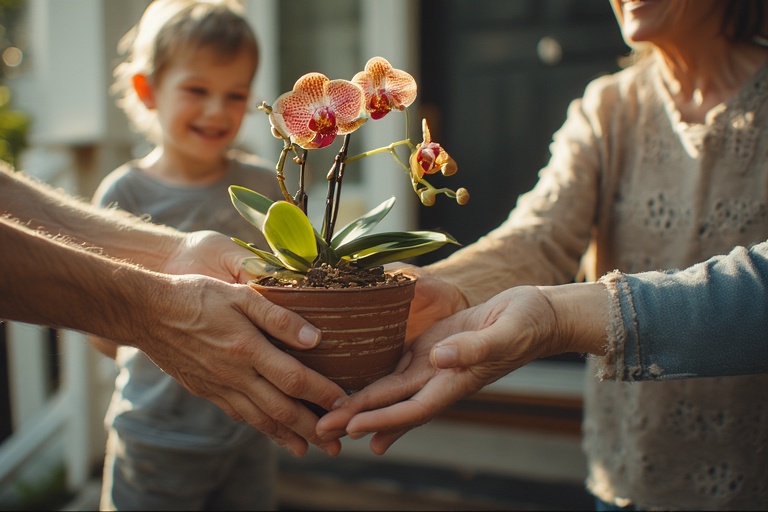
In a world often measured by growth, accumulation, and digital follower counts, a counter-movement is flourishing not in protest, but in quiet, practical generosity. It operates not with currency, but with offers and asks. It measures wealth not in possessions, but in connections made and needs met. This is the world of the "Buy Nothing" project and its sibling gift economy groups—hyper-local networks where neighbors give freely, ask without shame, and share everything from surplus zucchini to spare cribs to professional advice. What began as a simple anti-consumerist experiment has evolved into something far more profound: a tangible, scalable model for weaving social fabric back together, one gifted bread maker, shared skill, and act of trust at a time. This isn't just about getting things for free; it’s about rediscovering the wealth we already have in each other.
The principle is elegantly simple. Using platforms like Facebook, neighbors join a private group strictly bounded by geography—often just a few square miles. The rules are human-centric: post anything you'd like to give away, lend, or share. Post anything you're looking for. No buying, selling, or trading. No bartering. The only transaction is one of gratitude and strengthened community ties. In an age of next-day delivery and frictionless digital shopping, these groups reintroduce something e-commerce erased: the human context of an object and the mutual aid that turns a stranger living three streets over into a familiar face and a potential friend. The result is a living ecosystem of generosity that tackles waste, alleviates financial pressure, and, most importantly, rebuilds the foundational trust that makes a neighborhood a community.
The Ripple Effects: More Than Just "Stuff"
The surface-level benefit is obvious—diverting usable items from landfills and providing access to goods without financial strain. But the deeper, more transformative impacts are sociological.
First, it **recalibrates value**. A child’s outgrown bicycle, sitting in a garage, is clutter. Posted in a Buy Nothing group, it becomes a gift that enables another family’s summer adventures, complete with a story and a face. The object is imbued with new meaning and connection. This challenges the throwaway culture by creating a respected pathway for items to have second, third, and fourth lives within a visible, appreciative circle.
Second, it **normalizes need and fosters dignity**. In a culture that often equates asking for help with failure, these groups create a safe, normalized space to make requests. Asking for a winter coat, help moving a sofa, or leftover moving boxes is met not with judgment, but with a flurry of giving. This mutual vulnerability—the "ask" and the "give"—breaks down barriers of pride and isolation, reminding people that needing help is a universal human condition, not a personal shortcoming.
"These groups perform a kind of social alchemy. They transform the latent surplus in our homes—the things we don't use—into social capital. You're not just giving away a blender; you're investing in a network of goodwill that you can draw upon in ways you can't yet imagine." – Professor Michael Chen, who studies informal economies.
Third, and perhaps most powerfully, it **engineers serendipitous connection**. The interactions are low-stakes and context-rich. Picking up a set of books leads to a conversation about favorite authors. Dropping off a bag of baby clothes turns into an introduction between new parents. These are not forced "networking" events; they are organic, purpose-driven encounters that build a web of familiar, friendly faces across a neighborhood. In an era of anonymous suburban life and digital isolation, this is a radical act of place-making.
The Architecture of Trust: Rules as the Framework for Kindness
The success of these groups hinges on thoughtfully designed social architecture. The strict geographical boundaries ensure that connections can translate into real-world relationships. The prohibition on money or barter is critical—it removes transactional calculation and keeps the focus squarely on generosity and community building. Moderators, usually volunteers, gently enforce a culture of gratitude, empathy, and fairness, often using random draws for popular items to ensure equitable access.
This framework creates a remarkable phenomenon: a space largely free of the conflict that often plagues online forums. When the shared purpose is giving and the shared identity is neighbor, behavior tends toward the civil and the kind. It proves that with the right design, digital platforms can indeed cultivate our better angels and facilitate tangible local good.
Beyond the Group: The Cultural Seed
The influence of these groups is seeding a broader cultural shift. Participants often report a changed mindset—they think of their neighborhood as a resource first before going to a store. They hold items more loosely, knowing there’s a ready system for passing them on. Local businesses sometimes get involved, offering leftover materials or samples to the group, embedding themselves in the community’s circulatory system.
This model is also inspiring formal institutions. Libraries of Things, where members can borrow tools, kitchen equipment, or camping gear, are expanding in cities, applying the same logic with institutional backing. Community fridges and pantries operate on a similar gift-economy principle, addressing food insecurity with dignity.
The Buy Nothing movement demonstrates that a healthier, more resilient society isn't always built through grand policy or technological disruption. Sometimes, it's built through a simple, shared decision to see the people around us not as strangers, but as potential partners in the daily project of living. It offers a blueprint for a world where wealth is measured in crowded front porches, in the ease of asking for a favor, and in the deep, quiet knowledge that you are not alone on your street. In a fragmented time, that is a profoundly positive and healthy vision—and it’s growing, one gifted loaf of banana bread at a time.