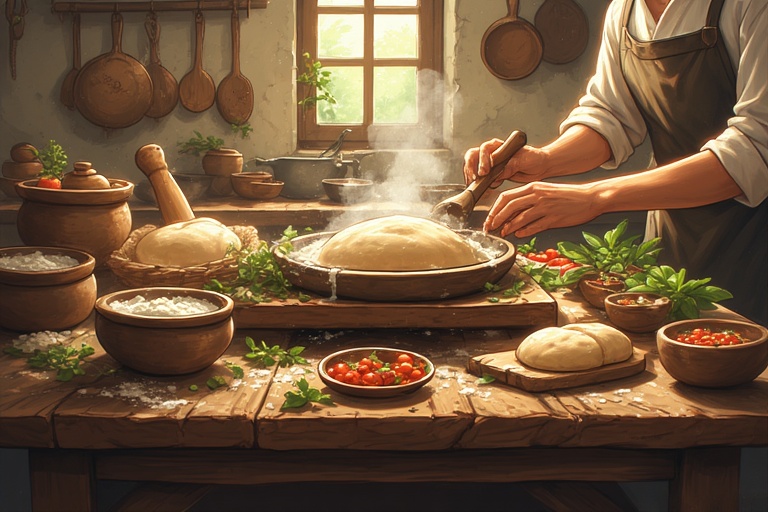
The Return to Kitchen Fundamentals
In our fast-paced world of instant meals and food delivery, a quiet revolution is taking place in home kitchens everywhere. People are rediscovering the profound satisfaction that comes from preparing food the way generations before us did—with patience, care, and respect for ingredients.
This movement back to traditional cooking isn't about nostalgia; it's about reconnecting with the fundamental human experience of transforming raw ingredients into nourishment through skill, time, and attention. It's the difference between eating to survive and cooking to thrive.
"When you cook slowly and intentionally, you're not just making food—you're creating memories, preserving traditions, and feeding the soul as well as the body. The time invested returns to you in flavor and fulfillment."
Why Traditional Methods Matter
Time-honored cooking techniques have endured for centuries because they work with, rather than against, the natural properties of food.
The Benefits of Slow Cooking
- Deeper Flavors: Time allows complex flavor compounds to develop fully
- Better Nutrition: Gentle cooking preserves vitamins and minerals
- Food Appreciation: The process creates connection to what we eat
- Reduced Waste: Using whole ingredients and making everything count
- Mindful Eating: The care in preparation translates to how we consume
Rediscovering Heritage Cooking Techniques
Traditional methods that were nearly lost are finding new appreciation among home cooks seeking more meaningful culinary experiences.
Time-Tested Methods Worth Reviving
- Fermentation: Creating probiotics and complex flavors through natural processes
- Slow Braising: Transforming tough cuts into tender, flavorful dishes
- Wood-Fire Cooking: The original live-fire cooking method
- Preserving: Canning, drying, and curing to extend seasonal abundance
- Hand-Kneading: Developing gluten and connection through touch
"My grandmother's hands knew the dough was ready by feel, not by timer. That kind of knowledge comes from relationship with food, not from instructions. We're reclaiming that relationship."
The Joy of Seasonal Cooking
Eating with the seasons means working with nature's timetable rather than fighting against it.
Seasonal Cooking Principles
- Plan meals around what's fresh and abundant locally
- Preserve peak-season produce for later months
- Celebrate the first and last of each season's harvest
- Let ingredients shine rather than masking their natural flavors
- Build traditions around seasonal specialties
Recovering Family Food Heritage
Many of us are just one generation away from losing precious family recipes and cooking knowledge.
Preserving Culinary Legacy
- Recipe Rescue: Documenting family recipes before they're lost
- Cooking Together: Learning techniques directly from older relatives
- Story Preservation: Recording the stories behind family dishes
- Ingredient Sourcing: Finding authentic ingredients for traditional recipes
- Adaptation Wisdom: Understanding when to preserve tradition and when to adapt
The Social Kitchen
Traditional cooking was rarely solitary—it was social, intergenerational, and community-oriented.
Bringing People Back to the Kitchen
- Family Cooking Nights: Making meal preparation a group activity
- Recipe Swaps: Sharing family favorites with friends and neighbors
- Community Preserving: Group canning and preserving sessions
- Cooking Mentorship: Experienced cooks teaching beginners
- Multi-Generational Cooking: Grandparents and grandchildren cooking together
Mindful Meal Preparation
The process of cooking can be as nourishing as the food itself when approached with presence and intention.
"Chopping vegetables becomes meditation. Watching a sauce reduce becomes patience practice. Waiting for bread to rise becomes a lesson in trust. Cooking teaches us everything we need to know about living well."
Elements of Mindful Cooking
- Engaging the Senses: Noticing colors, textures, aromas, and sounds
- Appreciating Ingredients: Considering the journey of each component
- Embracing Imperfection: Understanding that homemade means unique
- Cooking with Love: The intangible ingredient that changes everything
- Gratitude Practice: Acknowledging the abundance that feeds us
Traditional Foods for Modern Health
Many traditional foods are being rediscovered for their health benefits, often confirming what generations knew intuitively.
Nutritional Wisdom of Traditional Diets
- Bone Broths: Mineral-rich foundations for soups and sauces
- Fermented Foods: Natural probiotics for gut health
- Whole Grains: Nutrient-dense staples prepared properly
- Organ Meats: Traditional uses of the whole animal
- Wild Foods: Incorporating seasonal wild edibles
Building a Traditional Kitchen
Creating a kitchen that supports traditional cooking doesn't require expensive equipment, but thoughtful choices.
Essential Tools for Traditional Cooking
- Heavy-bottomed pots for even, slow cooking
- Wooden cutting boards and spoons
- Mortar and pestle for grinding spices
- Cast iron skillets that improve with use
- Fermentation crocks and jars
- Quality knives that feel right in your hand
The Rhythm of Traditional Cooking
Traditional cooking follows natural rhythms rather than artificial schedules.
Creating Kitchen Rhythms
- Weekly Baking: Establishing a bread-making routine
- Seasonal Preserving: Capturing abundance at its peak
- Daily Prep Rituals: Morning vegetable chopping, evening stock making
- Festival Cooking: Special dishes for holidays and celebrations
- Market Days: Shopping when ingredients are freshest
Passing It Forward
The ultimate goal of rediscovering traditional cooking is ensuring these skills and values continue.
"When I teach my daughter to make pasta the way my grandmother taught me, I'm not just passing down a recipe. I'm passing down love, heritage, and the knowledge that some things are worth taking time for."
Teaching the Next Generation
- Involving children in age-appropriate kitchen tasks
- Sharing family food stories along with recipes
- Growing food together, even if just herbs on a windowsill
- Making traditional foods relevant to younger tastes
- Celebring kitchen successes, no matter how small
The return to traditional cooking methods represents a deeper hunger—for connection, for meaning, for slowness in a fast world. It's about recognizing that the time we spend preparing food isn't wasted, but invested in our health, our relationships, and our quality of life. In rediscovering how our grandparents cooked, we might just rediscover something essential about what it means to be human.