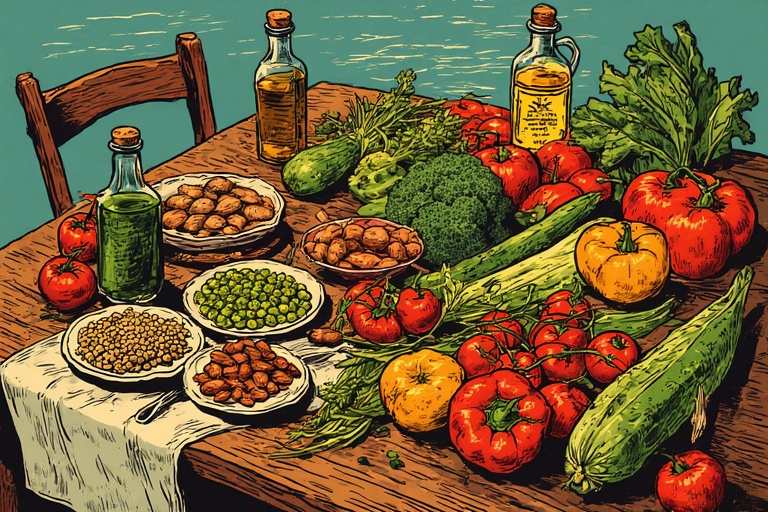
Rediscovering Time-Tested Nutritional Wisdom
In an era of constantly changing diet trends and conflicting nutritional advice, one eating pattern has stood the test of time while accumulating overwhelming scientific evidence: the traditional Mediterranean diet. This isn't a diet in the modern sense of restriction and rules, but rather a way of eating that has sustained generations living around the Mediterranean Sea.
The Mediterranean diet represents more than just a collection of foods—it's a holistic approach to eating that encompasses how we choose our food, prepare our meals, and share them with others. It's a lifestyle that celebrates pleasure, community, and sustainability alongside health.
"The Mediterranean diet works because it wasn't designed in a laboratory—it evolved over centuries through people eating what was fresh, local, and delicious. It's the wisdom of tradition meeting the validation of modern science."
The Core Components of Mediterranean Eating
At its heart, the Mediterranean diet is built on simple, wholesome ingredients that work in harmony to support health.
Foundation Foods
- Abundant Vegetables: Multiple servings of seasonal produce daily
- Healthy Fats: Olive oil as the primary fat source
- Whole Grains: Traditionally prepared breads and grains
- Legumes and Nuts: Daily sources of plant protein and fiber
- Herbs and Spices: Flavor from plants rather than salt
The Science Behind the Benefits
Decades of research have consistently demonstrated the remarkable health benefits of the Mediterranean eating pattern.
Evidence-Based Health Impacts
- Heart Health: Significant reduction in cardiovascular disease risk
- Brain Protection: Lower rates of cognitive decline and dementia
- Diabetes Prevention: Improved blood sugar control and insulin sensitivity
- Longevity: Association with longer, healthier lives
- Weight Management: Sustainable approach to maintaining healthy weight
"What's remarkable about the Mediterranean diet research is the consistency of findings across different populations and study designs. We're seeing benefits for everything from heart disease to depression to cancer prevention."
Beyond the Plate: The Lifestyle Elements
The health benefits extend beyond food choices to encompass how Mediterranean cultures approach eating and living.
Key Lifestyle Components
- Social Eating: Meals as opportunities for connection and enjoyment
- Physical Activity: Natural movement integrated into daily life
- Mindful Eating: Paying attention to food and eating pace
- Seasonal Eating: Consuming foods at their peak freshness
- Stress Management: Built-in relaxation through meal rituals
Adapting Mediterranean Principles Worldwide
You don't need to live near the Mediterranean Sea to benefit from this eating pattern—the principles can be adapted anywhere.
Global Adaptations
- Local Produce: Using seasonal vegetables from your region
- Cultural Traditions: Incorporating local culinary heritage
- Available Proteins: Adapting fish and meat choices to what's accessible
- Traditional Fats: Using local healthy oil options when olive oil isn't available
- Climate Considerations: Adjusting meal patterns to local seasons
The Environmental Benefits
The Mediterranean diet aligns beautifully with sustainable eating principles that protect our planet.
"This way of eating represents a perfect alignment of human and planetary health. It's predominantly plant-based, seasonal, local when possible, and generates minimal food waste—exactly what our stressed food systems need."
Environmental Advantages
- Plant-Centered: Lower environmental impact than meat-heavy diets
- Seasonal Focus: Reduced energy for storage and transportation
- Local Traditions: Support for regional food systems
- Minimal Processing: Lower energy requirements for food preparation
- Food Wisdom: Traditional knowledge about using whole ingredients
Common Misconceptions
Several myths about the Mediterranean diet can prevent people from enjoying its benefits.
Clarifying the Confusion
- It's Not Expensive: Beans, grains, and seasonal vegetables are affordable
- Not Just Italian Food: Encompasses multiple Mediterranean cultures
- Moderate Meat Consumption: Not a vegetarian diet but plant-forward
- Inclusive of Bread: Properly prepared whole grain breads are part of the pattern
- Flexible Structure: Adaptable to different tastes and preferences
Practical Implementation
Adopting Mediterranean eating principles can be simple and gradual.
Getting Started
- Begin with one meatless meal per week based on legumes
- Use olive oil instead of butter or processed oils
- Add an extra vegetable to every meal
- Switch to whole grain versions of bread and pasta
- Include nuts and seeds as daily snacks
- Make water your primary beverage
The Social Dimension of Eating
Perhaps the most overlooked aspect of the Mediterranean diet is its emphasis on eating as a social activity.
"In Mediterranean cultures, food is love, community, and celebration. The social context of eating may be as important to health outcomes as the nutritional content of the food itself."
Social Eating Practices
- Family Meals: Regular shared meals as priority time
- Leisurely Pace: Allowing time for conversation and digestion
- Multi-Generational Eating: Including all ages at the table
- Festive Occasions: Celebrating with special traditional foods
- Food Preparation as Social Time: Cooking together as relationship-building
Long-Term Sustainability
Unlike restrictive diets, the Mediterranean pattern is designed for lifelong adherence.
Why People Stick With It
- Pleasure Focused: Emphasizes delicious, satisfying foods
- Not Restrictive: No complete elimination of food groups
- Culturally Rich: Connects people to tradition and heritage
- Flexible: Adaptable to different circumstances and preferences
- Health Positive: Focus on what to include rather than exclude
Modern Challenges and Solutions
Contemporary life presents obstacles to traditional eating patterns that require creative solutions.
Adapting to Modern Life
- Meal Planning: Preparing components for quick assembly
- Batch Cooking: Making larger quantities for multiple meals
- Smart Convenience: Choosing prepared items wisely
- Eating Rhythm: Maintaining regular meal times despite busy schedules
- Mindful Choices: Making conscious decisions in challenging situations
The Future of Traditional Eating Patterns
As we face global health and environmental challenges, traditional diets like the Mediterranean pattern offer valuable guidance.
"In reconnecting with traditional eating patterns, we're not looking backward—we're moving forward with wisdom. These time-tested approaches offer solutions to modern problems that fad diets can't address."
Lessons for Modern Food Systems
- Balance Over Purity: No single perfect food, but overall pattern matters
- Pleasure and Health: These aren't opposing goals but complementary
- Cultural Preservation: Traditional knowledge has enduring value
- Local Adaptation: Principles matter more than specific ingredients
- Holistic Approach: Food is part of a larger lifestyle picture
Your Mediterranean Journey
Embracing Mediterranean eating is a personal journey of discovery and adaptation.
Making It Your Own
- Start with the principles you find most appealing
- Experiment with Mediterranean ingredients and preparation methods
- Notice how different foods make you feel
- Share meals with others whenever possible
- Be patient with yourself as you develop new habits
- Focus on progress, not perfection
The Mediterranean diet represents a beautiful convergence of pleasure, health, tradition, and sustainability. In a world of nutritional confusion and quick fixes, it offers a refreshingly simple, scientifically validated approach to eating that nourishes both body and soul. By embracing its core principles—abundant plants, healthy fats, whole foods, and shared meals—we can transform not just our personal health, but our relationship with food and each other.