Walk down any grocery aisle or city street, and the landscape of food and dining feels familiar, even comforting. The red of a Coca-Cola can, the golden arches of McDonald's, the stern glare of Gordon Ramsay on a TV screen—these are constants. But look closer, and you'll notice something strange brewing. Pepsi releases a "Pepsi Savory" line with flavors like "Salt & Caramel." Nestlé experiments with a wasabi KitKat in Japan. Gordon Ramsay, the king of fine-dining fury, opens a fast-casual pizza chain. These aren't just new products or restaurants; they are high-profile, deliberate experiments that feel almost incongruent with the brands we know. Like a blockbuster franchise taking a radical narrative turn, the biggest names in food are venturing into their strangest, most unexpected territory to date, and the kitchen has become their laboratory.
This trend goes far beyond simple line extensions. It's not about launching a new chocolate bar or a seasonal latte. This is about established entities with massive, loyal audiences deciding to challenge their own core identity in public. The goal isn't always an immediate smash hit destined for permanence. Often, it's about learning, generating buzz, and testing the boundaries of what their brand can encompass in an increasingly crowded and novelty-driven market. The risk of alienating some customers is weighed against the potential reward of captivating a new generation and dominating the cultural conversation.
The Flavor Frontier: When Soda Isn't Sweet
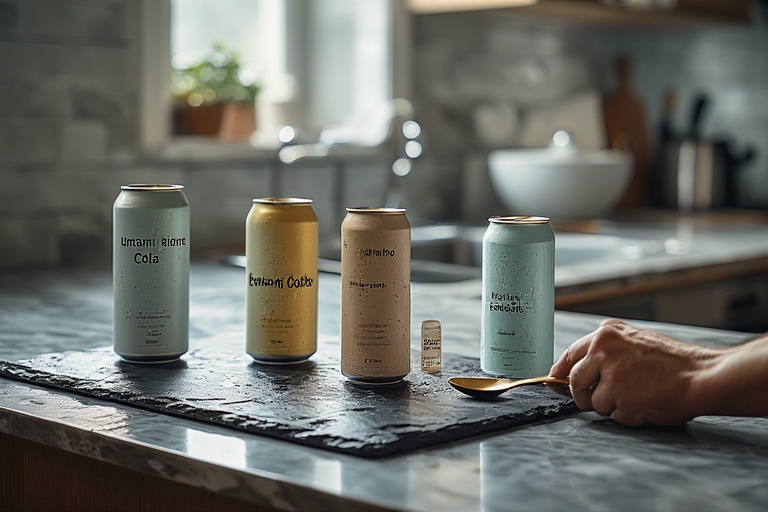
The soft drink wars have long been fought on the familiar battlegrounds of cola, lemon-lime, and root beer. The experiments were usually variations on sweetness: cherry, vanilla, zero sugar. But recently, the experimentation has turned truly culinary. Pepsi's foray into savory soda flavors in international markets is a stark example. Imagine cracking open a cold can expecting a sugary fizz and being met with the tang of "Salt & Caramel" or the earthy note of "Sour Umeboshi."
This mirrors the experimental approach of high-end gastronomy, where chefs like Denmark's René Redzepi of Noma have long treated ingredients as components of flavor profiles, not sweet or savory categories. Pepsi, in its own mass-market way, is applying a similar philosophy. They are asking: Can a beverage be a companion to a meal not as a sweet palate cleanser, but as a contrasting, savory element? The parallel is less to other beverage companies and more to the experimental spirit seen in companies like Samsung, which might test a folding phone or a rollable TV—products that challenge the fundamental form factor of the category itself. The "Savory Pepsi" is a folding phone for your taste buds.
"These limited runs are our R&D, live in the market. We get more data from a real-world launch than from a thousand focus groups. It tells us not just about taste, but about courage," a former innovation director for a global beverage conglomerate shared anonymously.
The logic is clear. In a world where consumers, especially younger ones, are obsessed with limited-edition "drops" from streetwear and constant novelty on TikTok, a bizarre new flavor is pure content. It's shareable, debatable, and turns a routine purchase into an event. Whether the product stays is almost secondary; the brand's image as an innovator is the primary harvest.
Chef Brands: Stretching the Culinary Canvas
In the world of celebrity chefs, the brand extension has traditionally followed a predictable path: flagship restaurant, cookbook, TV show, maybe a line of cookware or sauces. But the new playbook is far more audacious and seemingly dissonant. Gordon Ramsay provides the textbook case. The man who built an empire on the exquisite pressure of Michelin stars and the sanctity of fine dining now has Gordon Ramsay Street Pizza, a fast-growing chain slinging "cheeky" slices and "dirty" fries.
On the surface, it seems contradictory. But like a filmmaker known for intimate dramas suddenly directing a massive superhero film, it's a strategic expansion of scope and audience. Street Pizza isn't diluting his brand; it's partitioning it. It makes the Gordon Ramsay ethos—high standards, bold flavors, a touch of rebellion—accessible at a completely different price point and occasion. He's not the only one. David Chang's Momofuku, born from the refined chaos of ramen bars, now sells chili crunch and soy sauce in grocery stores worldwide, transforming from a restaurant group into a full-fledged, scalable flavor brand.
| Entity | Core Identity | Experimental Venture | The Strategic "Why" |
|---|---|---|---|
| PepsiCo | Sweet, mainstream beverages | Pepsi Savory (Salt & Caramel, etc.) | Break category norms, generate massive buzz, test future taste trends |
| Gordon Ramsay | Fine-dining excellence & scrutiny | Gordon Ramsay Street Pizza (fast-casual chain) | Democratize brand, access new market segment, build scalable empire |
| Nestlé (KitKat) | Consistent, comforting chocolate | Regional flavors like Wasabi, Sweet Potato, Red Bean | Hyper-localize, create collectibility, dominate travel retail |
| Chipotle | Fast-casual Mexican grill | Plant-based "Chorizo" test, Farmesa Fresh Eatery concept | Capture new diet trends, test upscale potential, future-proof menu |
The Pop-Up as Prototype: Limited Time, Maximum Data
This experimental mania finds its purest expression in the pop-up restaurant or limited-time product collaboration. Fast-food giant McDonald's might partner with a streetwear brand like Hypebeast for a special sauce. A revered chef like Dominique Ansel, inventor of the Cronut, might open a two-week "Ice Cream Shop" serving bizarrely shaped, sculptural frozen desserts. These are low-commitment, high-impact experiments.
They function like a tech company's beta release. The pop-up is the live beta test. Customer lines, social media mentions, and sell-out speed are the key metrics. The food itself is almost a medium for the real product: market intelligence and viral marketing. It allows these large entities to behave with the agility of a startup, trying something bold without the monumental risk of a full-scale national launch. The failed experiment simply vanishes, its lessons absorbed internally, while the successful one can be scaled, as seen with chains like Shake Shack, which began as a hot dog cart in a New York City park.
The driving force behind all this is a fundamental shift in consumer loyalty. Blind loyalty to a single brand is fading. Today's consumer is promiscuous, seeking novelty, experience, and stories. To stay relevant, a food brand cannot just be reliable; it must also be surprising, playful, and even provocative. It must give people a reason to talk, to post, and to feel they are part of an "inside" experiment.
Calculated Risks on a Grand Scale
Of course, not every experiment lands. Some products vanish without a trace, and some pop-ups confirm that an idea should remain just that. But for these food and beverage titans, the cost of not experimenting is now seen as greater than the cost of a public flop. Stagnation is the real threat in an era where a viral TikTok from a home cook can birth a global food trend overnight.
The ultimate lesson from these culinary laboratories is that brand identity is no longer a rigid monument, but a flexible, evolving narrative. Just as a filmmaker might oscillate between indie projects and blockbusters to exercise different creative muscles, Gordon Ramsay can command a three-Michelin-star kitchen and a pizza oven. Pepsi can be your childhood sweet cola and your adventurous savory sip. The strangest experiment isn't a sign of an identity crisis; it's proof of creative confidence. It announces that the brand is alive, curious, and cooking up the future—one bizarre, limited-edition, wildly shareable idea at a time.
- Novelty as Strategy: In a saturated market, being talked about is as valuable as being liked.
- The Pop-Up Beta Test: Short-term ventures provide real-world data with minimal long-term risk.
- Audience Partitioning: Brands can cater to different consumer needs without diluting their core identity.
- Culinary Courage: The biggest players are borrowing the "chef's table" experimental mindset for the mass market.
The next time you see a headline about a bizarre new flavor or a celebrity chef doing something that seems completely out of character, don't dismiss it as a gimmick. See it for what it is: a carefully calculated, publicly funded research project in the world's most delicious laboratory. The goal is to discover not just what we want to eat tomorrow, but what we're even willing to imagine eating today.